Showing posts with label Cancer. Show all posts

Monday, 14 November 2011

Prostate Cancer Stages and Treatments

By  Nancy Stonecutter

The prostate is a chestnut shaped gland located in men under the bladder in front of the rectum. Prostate cancer occurs when cells within the prostate grow out of control, creating tumors. It is the leading cause of cancer in American men. The risk of getting prostate cancer increases with age. Over 700,000 cases of prostate cancer are diagnosed worldwide each year. For early stages of prostate cancer, signs and symptoms are usually not evident. Prostate cancer is rare in men under 50, but those with a family history should get checked regularly.
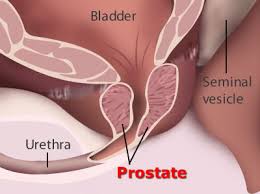
In order to confirm cancer stages in the prostate, a biopsy must be performed. If the biopsy confirms that cancer exists, the next step is to know what stage the cancer is in. The prostate cancer stage will help determine the best course of treatment to take. Various tests are done to determine if the cancer has spread, including imaging and blood tests. The clinical stage uses results fro the digital rectal exam, trans-rectal ultrasound or needle biopsy.

A common staging system used for prostate cancer is the TNM system. This means T-Tumor, N-Nodes and M-Metastasize. First, the size and extent of the primary tumor is described/measured. Then checks are done to see of the cancer has spread to the lymph nodes or metastasized elsewhere.

In the T stages (T1-T4) the cancer is rated from 0 to 4 depending on evidence of the cancer being localized in the prostate gland and surrounding areas. For T-0, there is no evidence of a primary tumor in the prostate. T-1 (a, b, or c) shows a tumor in the prostate, with a less than 5%, b greater than 5% and c -there is evidence of a tumor as identified by a needle biopsy. For T-2 stages, the tumor is confined within the prostate. In the T2a stag, the tumor affects one-half or less of one lobe, In the T2b stage, the tumor affects more than half of one lobe but not both lobes. For T2c, the tumor affects both lobes. When the tumors are confined to the prostate in stages T1-T2, the disease usually has cure rates of 90% or higher.
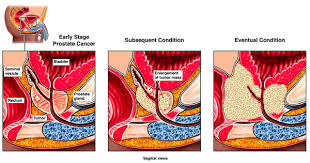
T3a stage indicates the tumor has extended beyond the prostate capsule. Stage T3b, the tumor has invaded the seminal vesicle. For stage T4, the tumor has invaded surrounding areas.

One of the best treatments for prostate cancer (T1 and T2 stages and some T3 cases) is High Intensity Focused Ultrasound, since the cure rate is very high, but it is non-surgical and non-invasive, so side effects are minimal. Speak to your urologist about HIFU and other forms of treatment if you have been diagnosed with prostate cancer. HIFU is particularly suited to younger men (50-75) who don't want the risk of impotency and incontinence generally associated with prostate cancer surgery. For more information, you can view the Hifu.ca website, as they are the oldest and most popular HIFU clinic in North America, and provide a wealth of information on options, stages and research.

Nancy Stonecutter is a nurse who writes about family and child care. Visit her blog at http://www.NancytheNurse.wordpress.com for more information.

Article Source: http://EzineArticles.com/?expert=Nancy_Stonecutter
Pictures added by SHAS blog author

Wednesday, 2 November 2011

Mesothelioma Treatments

By   Gavin Cruise

Mesothelioma is a rare cancer with a terrifying death rate. Caused by asbestos this disease can take 40 to 50 years to show up, and then progresses at an alarming pace. Without treatment the prognosis of a Mesothelioma patient is approximately one year. Medical science has developed treatment options for Mesothelioma. Once detected it is important to begin with mesothelioma treatments as soon as possible to improve the prognosis.


Traditional Mesothelioma Treatments


Traditional treatments for Mesothelioma patients are much the same as any other type of cancer treatments. Surgery removes the cancerous cells. Chemotherapy uses drugs to fight the cancer and heal the cells. Radiation uses high dose x-rays kill the cells. Many times two or even all three of these are involved in treating a mesothelioma patient. The course of treatment depends on several factors, including the patients overall health, the stage of the mesothelioma, and the effectiveness the treatment is believed to have. For example if a patient is generally healthy and strong and the cancerous cells haven't spread noticeably to other areas, a doctor may perform surgery to remove the mesothelioma and then follow up with radiation to kill any cancerous cells that had spread. But if a patient is declining rapidly with a great deal of spreading the surgery would be left out of the treatment options and the doctor would proceed with Chemotherapy and Radiation treatments.


Uncommon Mesothelioma Treatments


These treatment options aren't as widely used and recognized as the three above, however depending on the stage of the cancer; doctors have seen great success in fighting mesothelioma with these treatments.


Photodynamic Therapy is most effective in patients who have a localized area of cancerous cells, and uses light energy to kill the cells. The patient is intravenously given a medication which will make cancer cells extremely sensitive to a particular type of light. Between 24 and 72 hours later the patient is placed under this type of light and the cells which have absorbed the medication are killed.


Gene Therapy uses genetic material to target cancer cells and make the more vulnerable to chemotherapy treatments. In this treatment a non-infectious virus is introduced that basically causes the cancer cells to commit suicide by creating a substance that will cause their death. While gene therapy has shown promising results it is only available through clinical trials.


Immunotherapy tricks the body's immune system into killing the cancer cells. This involves introducing a vaccine made from cancerous cells back into the body. At that time the immune system will recognize the vaccine and thus the cancer as being harmful and will naturally fight the cancer.


The experts in the medical science field are continuously running trials and searching for optional Mesothelioma treatments that will kill the cancerous cells and remove mesothelioma from the body. Any patient who has mesothelioma should discuss all the options with their physician and fight mesothelioma aggressively in order to get the disease out of their body and live a long healthy life.


Article Source: http://EzineArticles.com/?expert=Gavin_Cruise
Pictures added by SHAS

Tuesday, 1 November 2011

What Are The Symptoms And Treatments Of Brain Cancer?

By Amit Kothiyal

Cancer is a term reserved for malignant tumors and brain cancer is the result of abnormal growth of cells in the brain. The brain cancer arises from primary brain cells. Malignant tumors grow and spread excessively and badly affect the growth of the cells by taking their spaces, blood and nutrients. Since tumor cells too need bloods to exist like other cells in the body. This abnormal growth of the malignant cells is confined to the peripherals of skull which ultimately leads to intracranial pressure on the surrounding imperative structure. This rapid growth on the peripherals of the skulls can quickly damage the nearby brain tissues.

 We have found two types of brain cancer namely primary brain cancer and metastatic brain cancer. Primary brain cancer starts in brain but metastatic brain cancer starts from the other part of the body and reaches to the brain. Brain cancers can be benign, without cancer cells or malignant, with cancer cells growing rapidly.

 Brain tumors can cause many symptoms which gradually bring serious problems. The most common symptoms of brain cancer include: -

 •

Balancing problems, difficulty in walking

 •

Blurred or double vision

 •

Changes in hearing, taste or smell

 •

Changes in mood, personality or behavior

 •

Dizziness or vertigo

 •

Headaches, which may be worse in the morning or when lying down

 •

In coordination

 •

Muscle weakness

 •

Nausea and vomiting

 •

Numbness or tingling in arms or legs.

 •

Muscle twitching, spasms or seizures

 •

Difficulties with memory, thinking, talking, comprehension, writing or reading

 Treatment of brain cancer: -

 The best team of specialists in brain cancer can plan for the best treatment of brain cancer These specialists include neurologist, neurosurgeon, neuro-oncologist, neuro-radiologist, and oncology. The treatment of brain cancer may include:

 •

Chemotherapy.

 •

Pain medications.

 •

Diet regulation to help maintain the strength and nutritional status.

 •

Participating in clinical test to check the new therapies and treatments for brain cancer.

 •

Physical therapy to increase the stamina of the body by reducing fatigue and improve the functional ability before and after the treatment of the brain cancer.

 •

With the help of radiation therapy, it is ensured that the cancer cells have been killed completely after the treatment. Radiation therapy is also being used on such patients whose tumors cannot be surgically reduced or being used as an alteration.

 •

The best way of the cancer treatment is to remove the cancerous parts of the brain and the other affected areas. But sometimes it is not possible to remove all the tumors since it can permanently damage the normal functioning of the brain. If the brain stem is being affected with tumor, it cannot be removed.

 Therefore with the implementation of these treatments and preventions, the risk of brain cancer can be reduced. Along with these treatments, some complementary treatments like yoga, meditation, acupuncture and massage therapy can reduce the risks of brain cancer. They are alternative therapies and can be used as the combination of traditional medical treatments.
Source http://www.articlesxpert.com/diseases/what-are-the-symptoms-treatments-brain-cancer.htm

Wednesday, 26 October 2011

Alternative Cancer Treatment: Effective Tips for Food Intake

By Sari Likha

Alternative cancer treatment is slowly gaining ground with effective research-based techniques that traditional doctors are not wont to tell their patients. These alternative techniques are for those who are bent on winning the battle against cancer.

We have two colon cancer patients in the family. My father-in-law was diagnosed with stage III colon cancer in 2009 and is on alternative cancer treatment with a Chinese doctor. My brother, on the other hand was diagnosed last August 2011 with stage IV colon cancer that has metastasized to his liver. In a life-saving move, his surgeons removed a huge tumor in his colon, 14 nodes in his liver, his entire gallbladder laden with stones and his appendix. Chemotherapy was strongly advised by his oncologist as a post-surgery treatment but my brother declined in favour of alternative medicine. A big part of alternative treatment for cancer lies in what we feed our bodies.

Here are alternative techniques in food intake to treat cancer. They have been proven effective for numerous cancer patients, my family members included:

1. Cancer cells feed on sugar. Refined sugar is best replaced with coconut sugar;

2. Eat lots of vegetables for their fiber content; vegetables remove the protein covering of cancer cells, and thus, make the cancer cells recognizable for killing by alternative cancer therapies;

3. The sugar in fruits may be neutralized by coating the fruits with uncooked rolled oats before they are eaten;

4. Potatoes help fuel cancer proliferation; avoid them by all means;

5. Purple sweet potatoes have cancer-fighting properties due to their anti-cancer purple pigment;

6. Regular rice and white bread are best replaced with unpolished rice and whole wheat bread; make sure the whole wheat bread does not contain sugar;

7. Coffee enema is important to relieve the liver of toxins that promote the growth of cancer cells;

8. It is best to take the following for their anti-cancer properties:

- Extra virgin olive oil - 3 tablespoons in the morning and 3 tablespoons in the evening;

- 15 tablespoons of kefir mixed with 1 tablespoon of squalene taken 3 times a day;

- Spirulina in powdered form taken 1-6 tablespoons in one dose or spread out over the day; it is best added to fresh fruit juice, raw fruit or young coconut juice;

9. Remove micro-toxins from fruits and vegetables with an ozonizer to help inhibit cancer growth in the body;

10. The UV-B rays from the sun from 10 am to 2 pm are therapeutic to a cancer patient; have daily 30-minute walks under the sun during this period;

11. This vegetable juice recipe taken once a day is highly recommended for the patient's daily dose of vegetables; extract the juice of the following using a juice extractor:

- 3 stalks celery

- 1 small sugar beet, peeled

- 1 medium-sized carrot, peeled

- 1 green apple, unpeeled

- 1 medium-sized turmeric, peeled

12. The vegetable juice above must be consumed within 10 to 15 minutes after preparation while their enzymes are still active;

13. Sip vegetable juice with straw; do not gulp it so that it is thoroughly digested;

14. For meat, it is best to avoid fresh water fish or cultured fish;


15. Avoid eating leftover foods as micro-organisms may have already grown in them.

Cancer is like waging war with a treacherous enemy. To win the war, one must know the enemy inside out and formulate a well-thought out battle plan to kill it at its root. Be informed. Eat the right foods the right way. Fight this dreaded disease and win.

Learn more about your health in Complex Hyperplasia with Atypia and Life After A Hysterectomy.

Article Source: http://EzineArticles.com/?expert=Sari_Likha

Monday, 24 October 2011

How To Test For Cancer - It's Better To Be Safe Than Sorry

By Natalie Williams
Cancer screening tests are basically attempts to detect cancer at an early stage to increase the chances of a full recovery before it is too late. There are generic cancer tests to detect signs of cancer in your body and other specialized cancer tests to detect specific cancer types. The exact type of cancer tests you should take depends on which cancer risk group you belong to.

What Is My Risk Of Getting Cancer?There are 3 types of cancer risk groups:

- Low risk ( 20% lifetime risk)

The lifetime risk is the probability of you having a particular type of cancer in your lifetime. When you visit a doctor for cancer screening, you will be classified into one of the groups above according to your gender, age, lifestyle, environment, race and family history of cancer. For example, a man in his fifties who works in a factory, lives in a very polluted city and smokes 10 cigarettes per day may belong to the high risk group. People from different risk groups will have different cancer screening schedules and may start their screening tests at an earlier age or have more frequent tests.

It is important that you look up the cancer screening guidelines of your country to make sure your doctor is planning the right combination of cancer tests. Some tests may not give you all the confirmation you need so having the right tests is critical to detect any signs of cancer as soon as possible. Going through more tests than you need will only result in you spending a lot of unnecessary time and money.

What Are The Cancer Tests I Need To Do?

The tests you will be going through should involve some or all of the following:

- Visual investigation of any lesions on your body, mouth, eyes, genitals, etc.

- Palpation tests to feel for any unusual lumps or tumors in your breasts, prostate, neck and other parts of your body.

- Endoscopy, X-rays, magnetic resonance imaging (MRI), CT scans, Positron Emission Tomography (PET) scans or ultrasound scans

- Lab tests like Biological Terraine Assessment (BTA), blood tests, pap smears, Anti-malignin antibody screen (AMAS) or Cancer Marker Tests.

Cancer Can Strike When You Least Expect It

It is important that you follow your cancer screening test schedules religiously to prevent detecting any case of cancer in your body at a later or final stage. Everyone knows that the chances of treating cancer is easier in it's early stages so please do not take the unnecessary risk by being arrogant and lazy about doing your cancer tests. These cancer tests could save you lots of money in the long run and most importantly, they could save your life.

Published At: Isnare.com Free Articles Directory - http://www.isnare.com/
Permanent Link: http://www.isnare.com/?aid=154793&ca=Cancer+Survival

Diets And Cancer: 3 Reasons Why You Could Be Creating More Cancer Cells To Your Body Everyday

By  Natalie Williams
A lot of people believe cancers just happen. Cancers develop if you follow an unhealthy diet full of cancer causing food over a prolonged period of time. Certain food have a lot of cancer promoting substances called carcinogens. In this article, we shall explore 3 common types of carcinogens present in a typical person's diet, what food we should eat and shouldn't eat to prevent cancer.

Acrylamide In Food: Should I Be Worried?

Acrylamide has been used in industries that specialize in the creation of plastic, manufacturing of food packaging and treatment of contaminated water. Unknown to most of us, scientists recently discoverd that acrylamide can be created during high temperature cooking methods like microwaving, frying, roasting and baking. Acrylamide has been attested to cause cancer in animals but no concrete link has been found to indicate this happens in human beings even though acrylamide is extremely unhealthly for our bodies. French fries have been tested to contain the greatest levels of acrylamide, followed by certain brands of potato chips, breakfast cereals, cookies, brewed coffee and toast bread according to the US FDA/CFSAN 2006 Exposure Assessment for Acrylamide.

Sodium Nitrate: Why You Should Avoid It

Sodium nitrate is a standard food additive of processed meat. It is used to prolong the reddish color of meat to make it look more delicious to eat at the expense of your health. During the digestion process of sodium nitrate, nitrosamine is created and this is what promotes the development of cancer cells. Sodium nitrate can be found in processed meat like hot dogs, bacon, ham, bologna, luncheon meat and pepperoni.

Trans Fat: The Worst Fat In The World

Trans fat or trans-fatty acids (TFAs) ranks as the worst kind of fat. The problem with trans fat is because it was transformed from it's vegetable oil form to a semi-solid state through the use of hydrogen. Some companies do this to save money, to improve flavor stability and to extend the shelf life of their products. Our bodies do not readily take in these hydrogenated oils and it takes a lot of extra energy to try to digest it effectively, as a result, sections of it sticks to our arteries if we do not burn it off through exercise. What's worse, trans fat promotes the development of bad cholesterol and reduces the levels of good cholesterol, increasing your risk of heart disease. Trans fat is frequently found in hydrogenated oils, commercially deep-fried food, food with vegetable shortening, partially hydrogenated oils and pastries.

Eating To Prevent Cancer

It is ideal for all of us to restrict or eliminate our consumption of processed food that contain the 3 carcinogens above and other unhealthy substances such as salt, sugar, cigarettes and alcohol. However, it is not easy for people to choose to have a healthy body over the enjoyment of good food. The decision is up to you to decide which is more important to you. At the minimum, consume as much organic vegetables, fruit and meat as you can. Having a diet made of antioxidants, fiber and nutrients from raw vegetables and fruit should help you steer clear from cancer. As a general rule, eat what nature intended us to eat and avoid man-made food.

Published At: Isnare.com Free Articles Directory - http://www.isnare.com/
Permanent Link: http://www.isnare.com/?aid=165190&ca=Cancer+Survival

Friday, 21 October 2011

Cell Phones and Brain Cancer: Is There a Link?

By  Shauna Arthurs

With the recent announcement by WHO (world health organisation) about the potential dangers of cell phone radiation, we are all naturally concerned, especially those of us who use cell phones regularly and/or who have kids with cell phones. What is safe, we wonder, in terms of use, cell phone type and exposure? Are some cell phones safer than others, and are there ways in which we can limit the dangers by changing our usage patterns?

While the answers are still coming in, there are things we can do to help protect ourselves. These tips come from a variety of sources, including a brain scientist who has recovered from brain cancer (Dr. David Servan-Schreiber - if you have not yet read his book, Anticancer, A New Way of Life go get it! It's an excellent read for anyone wishing to prevent cancer, or already dealing with the health challenges cancer presents). Simultaneously, we are all terrified of cancer but somehow in denial that it will ever touch us personally. It's time we look clearly at the rampart cancer rates of the last decade and take as many steps as we can personally to protect our health.

When it comes to this health issue, we are all exposed to radiation in varying degrees, even those of us who do not have a cell phone. In North America, unless you live in the remote wilds and are completely off the grid, you're likely affected, even if from cell towers and criss-crossing signals in the air. Experts are telling us that cordless phones pose similar risks, and it s only as more studies come to completion that the alarming statistics are becoming available. Nonetheless, mobile phones and smart phones are here to stay, so let's do what we can given that reality.

For one thing, most mobile phone manufacturers now offer a protection rating on their phones, as consumers become increasingly aware and concerned. Ask your provider about your specific phone and be sure to check the rating of any phone you buy. Other tips include using a headset rather than putting the phone directly to your ear when talking, and leaving the phone away from your wear until someone answers; according to experts the signal is stronger when the phone is ringing, before it connects. The signal is also stronger when you are between cell towers, so if the connection is bad hang up and try later when it's safer. For children and teens with developing brains, limit cell phone use and if anything, encourage texting over speaking (who ever thought anyone would say that?).

Shauna writes about cell phone safety at her cell phones students website. You can also find out more about brain health at her health and vitamin site. Take your own health seriously and be your own health advocate, so you can live the best life possible and have the vitality to achieve your dreams!

Article Source: http://EzineArticles.com/?expert=Shauna_Arthurs

Screening For Skin Cancer and The Risks Involved

By Kum Martin

Screening for cancer is often recommended if you have a family history of the disease. It will help in finding the cancer early and also reduce the chances of succumbing to the disease. Doctors even use certain types of screen tests to find cancer in some patients. However, these are primarily restricted to clinical trials that allow doctors to figure out which people have the least risk of getting cancer. But, the biggest benefit of a cancer screening test is to detect the cancer before it begins showing symptoms. When patients receive early treatment for the disease, it improves the chances of recovery and decreases the possibility of dying from the cancer. That is why having a screening test for skin cancer is extremely important. In fact, skin cancer is quite widespread in the United States, with 1 million people diagnosed with it each year.

Screening for skin cancer involves several steps and is not just restricted to a laboratory test. Physically checking the skin can help identify skin cancer early. Doctors recommend that patients check their skin every month for any abnormal changes, which should be brought to their attention immediately. In addition, those people who have had skin cancer previously should have regular skin checks performed by their doctors.

If the doctor finds something abnormal about a particular patch of skin, a biopsy will be performed. A part of the abnormal skin is sent to the laboratory for checking, where the pathologist checks it under the microscope to see whether the skin cells have turned malignant.

Typically, it is possible to detect cancer without having a biopsy done, as skin melanomas tend to grow under the epidermis and never penetrate the dermis. It is possible to cure skin cancer if it has not metastasized to any other part of the body.

However, there are some risks involved when it comes to screening tests for skin cancer. Some of the tests may not be able to detect the cancer. Just because a screening test detects cancer, it does not guarantee that your health will improve or you will live longer. This is especially true if the cancer has reached an advanced stage. Some of the skin cancers do not show any symptoms and may never become life-threatening. However, when these cancers are found through screening tests, they are treated. The treatment for cancer has several undesirable side effects and may not offset the benefits of the treatment. Also, it is possible that the screen test gives a false negative result. At times, the test may show that cancer is not present when it is and this may cause delay in getting the right treatment for the malignancy. Another possibility is that screen test may show a false positive result when there is no cancer present. This causes the person to go through an unwanted biopsy and then suffer from anxiety until it is conclusively diagnosed that the person is not suffering from the cancer.

About Author:
 Kum Martin is an online leading expert in health and medicine. He also offers top quality articles like:
Skin Cancer TreatmentSkin Cancer Signs
Article Source: http://EzineArticles.com/?expert=Kum_Martin

Monday, 17 October 2011

Symptoms of Lymphoma in Women

By Jon Michael David

Symptoms of lymphoma in women are generally the same as for men.

Lymphoma often develops quietly and with few symptoms so it may take a while before you may realize that there is something very much the matter.

Following is a list of the typical symptoms of lymphoma in women and symptoms of lymphoma in men alike.

One thing to keep in mind is that these lymphoma symptoms can be symptoms of any of a large number of conditions that are generally harmless.

For this reason, it's wise to consult with your doctor if you experience any of them.

1. Enlargement of the Lymph Nodes

This is the most characteristic lymphoma symptom and can be the only symptom that one experiences.

It's very important to note that a lot of different things can cause an enlargement of the lymph nodes and it does NOT necessarily mean you have lymphoma!

Typically, the lymph nodes of the groin, armpit and neck will swell but cause no pain.

Humans have 500+ lymph nodes in the body which are basically "forts" of immunity.

When they swell, it is often indicative of the body initiating an immune response against some type of microscopic invader.

You may notice these lumps in the course of your daily routine, such as when showering or applying creams, etc.

The symptoms outlined most often only indicate a possible lymphoma if they are discovered in addition to swollen lymph nodes.

2. Losing Weight

Typically, sudden weight loss will occur over a period of several months with no good reason.

Weight loss can range from a few pounds to up to 20 or so.

3. Running a Fever

A random fever that keeps occurring for no good reason (i.e., is not connected with a flu, cold, etc.) is usually an indication to go see your physician.

Symptoms of lymphoma can be confused with symptoms of other illnesses and, in fact, a lymphoma that causes fever accompanied by lymph node swelling is frequently mistaken for a flu or something similar.

Additionally, in those afflicted by a Hodgkins type lymphoma, a quintessential type of fever termed Pel-Ebstein fever can develop.

4. Night Sweats

Excess sweating at night may find you waking up soaked in your own sweat.

5. Pruritis (Itchiness)

Lymphoma cells can secrete certain substance which cause the entire body to be itchy, a condition known as pruritis.

6. Lack of Appetite

Individuals with lymphoma can experience a drop in their usual appetite which can also cause weight loss, one of the other symptoms of lymphoma listed above.

7. Fatigue and Listlessness

Cancer cells hijack the body's energy resource that would otherwise be utilized by healthy cells, causing a drop in energy levels.

8. Swelling

Depending upon where a lymphoma grows (and it can occur in any organ of the body), it may compress and block off veins, effectively limiting blood supply and causing swelling.

Site-specific lymphomas produce rather widely varying symptoms.

A lymphoma of the brain may cause pains in one's legs while a lymphoma in the stomach can cause stomach pains.

General Symptoms of Lymphoma in Women and General Symptoms of Lymphoma in Men

The first and most obvious sign of lymphoma is adenopathy, aka lymphadenopathy, which is a painless swelling of the lymph nodes.

Swollen lymph nodes by themselves, however, are NOT necessarily an indication of lymphoma.

It requires medical testing to confirm or negate the diagnosis.

Symptoms of lymphoma can come in many varieties, dependent upon the location of the lymphoma, the stage of growth, size of tumor, etc.

Symptoms linked with bone marrow issues such as becoming anemic (having a low red blood cell count) are uncommon in the beginning stages of a lymphoma but often are seen later in the game and often as a result of treatment.

MALT (Mucosa-associated lymphoid tissue) lymphomas affect any mucosal site, the stomach being the most common one. Alterations in bowel movement and stomach pains can be indications.

As far as the stomach lymphoma goes, if it is a result of infection with the H. Pylori bacterium, antibiotic treatment can cause the lymphoma to regress in 70%+ of cases.

How To Report Your Symptoms To A Doctor Effectively:

Describe the intensity of your symptom on a scale such as "This hurts about a 7 out of 10″.

For visually observable symptoms, show them to the doctor and also explain how they started off and looked like initially.

Explain when you first experienced your symptoms

How long have you been experiencing this symptom?

Is the symptom constant or does it come and go?

Describe any medications or dietary supplements you take/did take starting from the time symptoms manifested.

Do the symptoms change depending upon body positioning, time of day, etc.?

Do certain foods trigger the symptoms?

Be as descriptive as possible. The more accurate and specific the information you give, the more your doctor will be able to pinpoint the nature of your problem (if you have any!) and the better he/she will be able to treat you and advise you.

As you can see the Symptoms of Lymphoma in Women are generally the same as they are for men. It's important to pay attention to your body and note any symptoms you may have so that you can discuss them with your doctor in detail and he will be in a better position to help you.

John-Michael David is a well-informed patient who writes about the Symptoms of Lymphoma in Women and the Causes of Lymphoma among other important topics.

Article Source: http://EzineArticles.com/?expert=Jon_Michael_David

How to Diagnose and Treat Lymphoma Cancer?

By Alina Kapur

The lymph system is a tubular structure branching out to all the parts of the body and is vital to fight infections. Lymph is a colorless fluid that contains white blood cells (lymphocytes) and is carried by the lymph system.

There are various types of lymphoma cancers and hence, answering a question, how to diagnose and treat lymphoma is a great challenge. The most common type of lymphoma and the term that is used interchangeably is Hodgkins disease and the rest of the types are known as non-Hodgkin's lymphoma.

Diagnosis:

Although, there are several symptoms of lymphoma cancer, but they may be similar to any other illness, making it difficult to suspect the diagnosis of lymphoma.

Some symptoms are:

Swelling of the lymph nodes
Fatigue feeling
Weight loss
Recurrent fever
Night sweats


Once a patient experiences symptoms, he/she may consult a physician, who may carry out the diagnostic procedure to confirm the disease. The diagnosis will be based upon:

Thorough physical examination of the patient
Inquiry about the complete personal and family history
Physically examining the lymph nodes for any abnormalities present
Biopsy test to confirm about the malignancy present in the lymph nodes
Chest x-ray to verify any enlargement of the lymph nodes in the chest
Magnetic Resonance Imaging(MRI) or Computer Tomography (CT) scan
Ultrasound examination

After the diagnosis is done and the lymphoma cancer is confirmed, then the patient may further undergo a few tests to detect the exact stage of the disease.

Cancer Treatment:

Radiation Therapy - Powerful x-rays or any such radiations may be used to treat the lymphoma cancer. The radiations are directed to kill the abnormal cancerous cells either by internal or external radiation therapy. However, pregnant women are not eligible for radiation therapy until delivery.

Chemotherapy - This therapy uses anti-cancer drugs to destroy the malignant cells in the lymph system. The therapy may be administered through mouth, intravenously or placing directly into the cerebrospinal fluid. Although, chemotherapy may be observed in pregnant women, close watch is required to see any danger to the fetus.

Vaccine Therapy - This is a new treatment technique used to treat lymphoma. This technique aims at strengthening body's immunity to fight the cancerous cells. The medications used are directed to restore the immune system and boost its defense against the malignancies.

High-dose chemotherapy in combination with stem cell transplant is another treatment option lately being considered. The technique is to replace the destroyed blood-forming stem cells in the patient with the donor stem cells.


Lymphoma cancer is type of cancer that affects the lymph system of the body. There are around 35 and more types of this cancer. Hence, how to diagnose and treat lymphoma cancer is a challenge for medical professionals. Like any other cancer, early detection and prompt treatment are vital.

For more detail read on lymphoma cancer or Lymphoma Cancer Causes

Article Source: http://EzineArticles.com/?expert=Alina_Kapur

Sunday, 16 October 2011

Tumeric and Cancer Prevention

By  Teonghooi Ong

One of my preventive measures is to take turmeric on a daily basis. Those of us who have gone through the cancer journey, or have some experience with cancer, would have come across turmeric as a cancer preventive method. There is plenty of information on the internet on turmeric and its benefits but I want to share my experience with it. I'll provide a short introduction on tumeric.

Tumeric contains curcumin, the active ingredient which has been attributed to prevent and destroy cancer cells. Curcumin is the yellow stuff that is a bit sticky when you scrap the turmeric. Tumeric healing properties have been known for a long time now especially to the Chinese and Indians. In India for at least 6000 years, turmeric has been used as medicine, beauty aid, cooking, spice, and a dye. For the Chinese, tumeric has been used for the treatment of spleen, stomach, and liver ailments for over a 1000 years. The Chinese have used it to stimulate and purify, and as an antibiotic, anti-viral, and an analgesic. Tumeric, also known as Indian Saffron, is a root of the ginger family and is grown predominantly in South Asia.

Tumeric is commercially made available in powdered form. It is produced by boiling the root and then it is oven dried. The dried tumeric is then pounded into bright orange-yellow powder form. This is sold as a spice and food additive. One can use the raw root, which is my preference, or purchase the powdered form from the grocery if you are just using it for cooking. However, if you are taking it as a supplement, then I recommend doing some research and purchasing them from a reputable supplement manufacturer. Herbal supplement manufacturing is not as strongly regulated as drugs so the amount of curcumin may not be verifiable and that will affect its efficacy.

Tumeric has anti-bacterial and anti-inflammatory properties. I occasionally have eczema on my skin and I use the powdered form, making it into a paste and applying it on the eczema. Within a few applications, the eczema disappears. It must be the anti-bacterial properties of turmeric at work When applied, it stings a little bit, and it is probably the active ingredients working. Tumeric has also been shown to help psoriasis as well. Research has proven that tumeric is effective against the inflammatory reaction triggered by the bacteria, Heliobacter pylori.

Many studies and articles have been written on not just the cancer prevention properties, but also the cancer-killing properties of curcumin. A number of studies on curcumin have shown promising results.

• Curcumin can kill cancer cells in laboratory dishes and also reduce the growth of surviving cells.

• Curcumin also has been found to reduce development of several forms of cancer in laboratory animals, and to shrink animal tumors.

• When combined with cauliflower, it has shown to prevent prostate cancer and stop the growth of existing prostate cancer

• Curcumin has been shown to prevent breast cancer from spreading to the lungs in mice.

• And it has been shown to stop the growth of new blood vessels in tumors. This supports the theory of anti-angiogenesis. The idea of anti-angiogenesis is the starvation of nutrients to cancer cells that will lead to cancer cell apoptosy.

Tumeric is a natural herb, and as it is known to efficaciously treat and prevent cancer, there is no reason not to try and use it on a regular basis.

Th Ong has fought cancer and won. He shares his story and his research to prevent cancer in the first place. He gives his book OnTopOfCancer for Free on the internet at http://ontopofcancer.blogspot.com

Article Source: http://EzineArticles.com/?expert=Teonghooi_Ong
Related Posts Plugin for WordPress, Blogger...